What Creators Think Makes Money vs. What Actually Does
Doing all of the tricks to get your content to go viral, but not making any money? That's because you're believing in creator monetization myths. Find out what you really need to do to earn an income from your content by dropping these creator monetization myths.
A million followers is a vanity metric, not a business plan. Many of the most visible creators on your feed are running bankrupt businesses because they prioritize clout over conversion. This reality is often obscured by the most common creator monetization myths. If you are building your brand on the hope that high view counts eventually turn into a mortgage payment, you are losing. In 2026, sustainable income is about the math of your audience, not its size.
The Reach vs. Revenue Reality

The most persistent of all creator monetization myths is that going viral equals a payout. Creators spend hundreds of hours trying to crack the algorithm for a million views, but platform ad-share rates are designed to keep the platform wealthy, not you. A video with 10 million views often nets a "creator fund" payout that wouldn't cover a week's groceries.
Depth out-earns breadth. A creator with 1,000 fans paying $10 a month on FanSubs earns $120,000 a year. They have a stable six-figure business while the "viral" creator is still waiting for their next hit to pay the bills. When you deconstruct creator monetization myths regarding scale, you realize a small, intense audience is a more valuable asset than a large, passive one.
Brand Deals Are a Variable, Not a Foundation

Many creators think the goal is getting "picked" by a brand for a sponsored post. This puts the brand in charge of your income, your creativity, and your schedule. It is an inconsistent way to live, yet it remains one of the most widely believed creator monetization myths in the industry.
Actual wealth in this space comes from owned revenue. When you own the relationship through a direct-to-fan platform, you don't need a brand’s permission to get paid. You are your own sponsor. Successful creators use brand deals as "bonus" income, while their subscription tiers provide the financial floor that covers their actual life expenses. Overcoming creator monetization myths about sponsorships enables you to establish a steady, recurring revenue stream. Without this, you're not running a true business but rather functioning as a freelancer.
High Production Value Is Often a Distraction

A common mistake is thinking you need a 4K camera and a professional studio before you can charge money. This is a hobbyist's excuse to delay launching, fueled by creator monetization myths that equate gear with value. Fans pay for insight and results, not your lighting setup.
- The Reality of Value: A fan will pay $20 for a raw phone video of a pro-trader explaining a win, but they won't pay $1 for a 4K vlog of someone's lunch.
- The ROI Factor: If your content helps someone save time or make money, the production quality is secondary.
- The "Authenticity" Premium: Over-produced content often feels like an infomercial. Raw, high-utility content feels like a direct conversation.
The "Marketing Fog" vs. The Marketing Funnel

One of the most exhausting creator monetization myths is the idea that you need to be active on every single platform to make money. Creators burn out trying to manage TikTok, Reels, YouTube, and X simultaneously. Being everywhere at 10% capacity leads to zero conversions.
Monetization is about building a funnel. Use one or two platforms for discovery and drive that traffic to a single home. Your private subscription page is the storefront where transactions occur. Everything else is just a digital billboard. If you aren't directing traffic to a point of purchase, you are falling for creator monetization myths that favor platform engagement over your own bank account.
Selling to Your Audience Is a Service
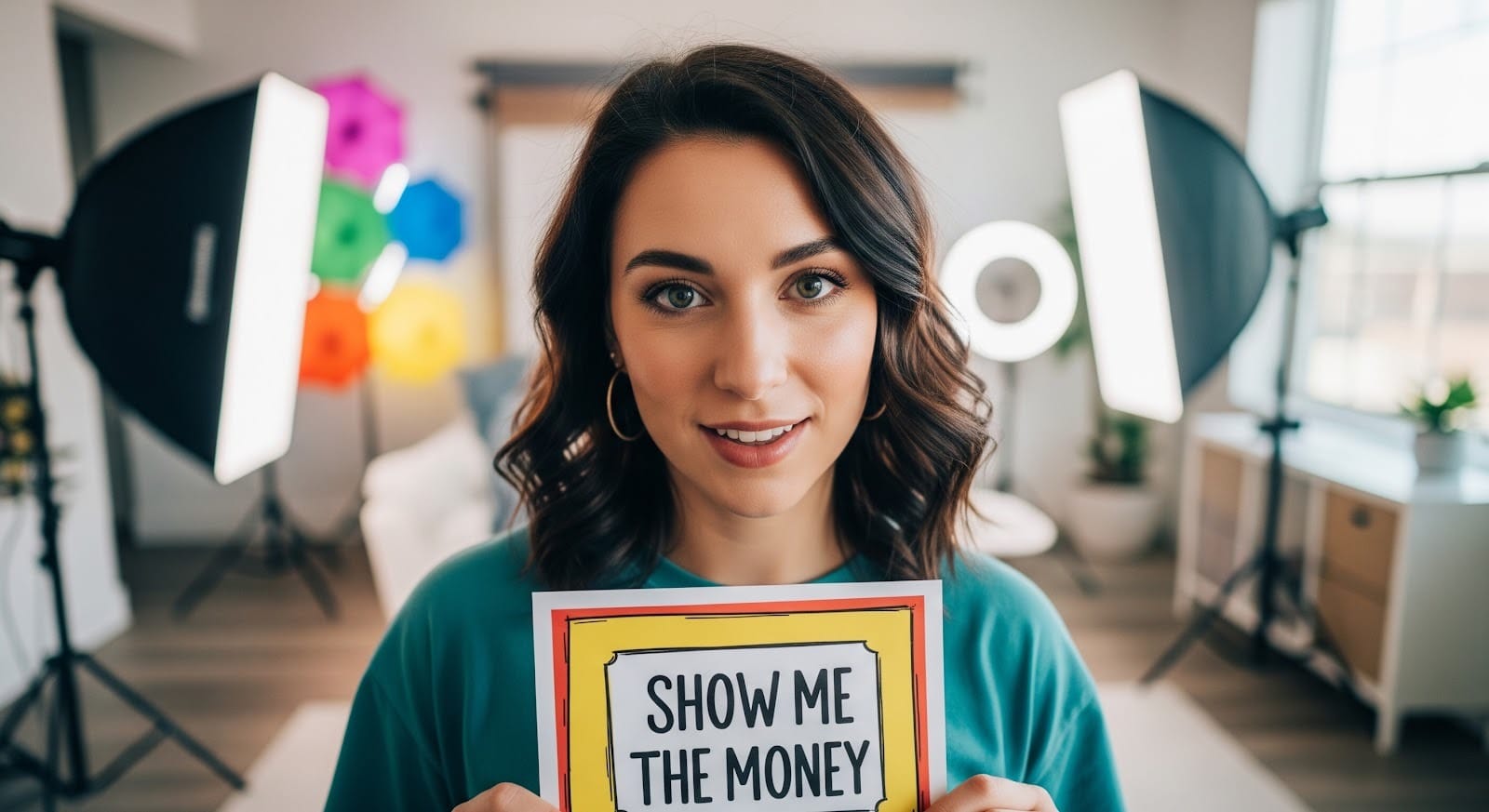
Some creators fear that asking for money "ruins" their brand. This fear is rooted in creator monetization myths that claim fans value free content above all else. If you provide genuine value, your fans want to pay you to ensure you keep doing it. They understand that quality work requires resources.
When you are honest about your business model, you turn viewers into stakeholders. Those who fail to monetize are usually those who never bothered to ask, often because they were limited by common creator monetization myths. If you don't value your work enough to put a price on it, your audience won't either.
Focus on the Receipts
Success in 2026 relies on acting like a CEO rather than resembling a celebrity. Breaking free from creator monetization myths means owning your data, knowing your conversion rates, and focusing on the 1% of your audience that actually pays the bills.
Stop building your business on rented land. Use the platforms to find your people, but bring them home to a space you own. By ignoring outdated creator monetization myths, you stop chasing clout and start building a career with actual receipts.
Ready to ACTUALLY make money being a creator?