Ko-Fi Alternatives for Creators
There is a whole world of exclusive content and tipping platforms for creators to explore! Check out this comprehensive list of alternatives to Ko-Fi!
Ko-fi is often one of the first platforms creators use to accept support from their audience. Its simplicity and tip-based structure make it approachable, especially for beginners. However, as creators grow, many begin looking for Ko-Fi alternatives that offer more reliable income, stronger engagement tools, and better long-term sustainability.
As creative work demands more time, creators need platforms supporting recurring revenue, deeper audience ties, and flexible formats. Here are ten effective Ko-fi alternatives for diverse creator needs.
1. FanSubs
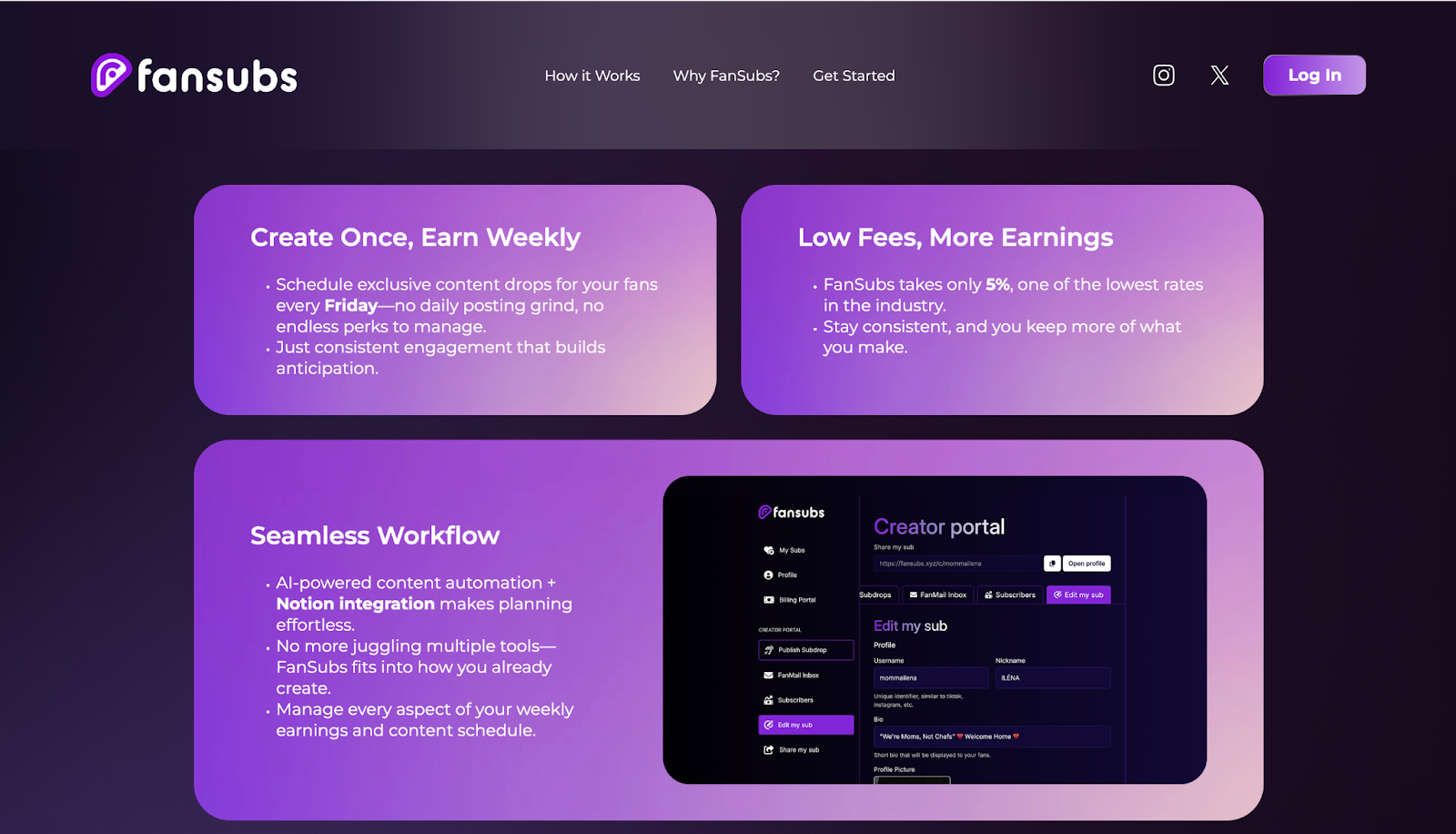
FanSubs is designed for creators who want to build lasting relationships with their audience, moving beyond one-time tips. The platform prioritizes member-only content, sustained engagement, and community-building rather than quick transactions.
Creators often use FanSubs to share behind-the-scenes content, serialized writing, early drafts, personal updates, or content that feels too intimate or niche for public platforms. Because the environment is subscription-based, supporters feel more invested in the creator’s journey rather than just individual posts.
FanSubs works particularly well for creators who want a steady income without aggressive promotion. Its focus on exclusivity and connection makes it a strong choice among Ko-Fi alternatives for long-term sustainability.
2. Patreon
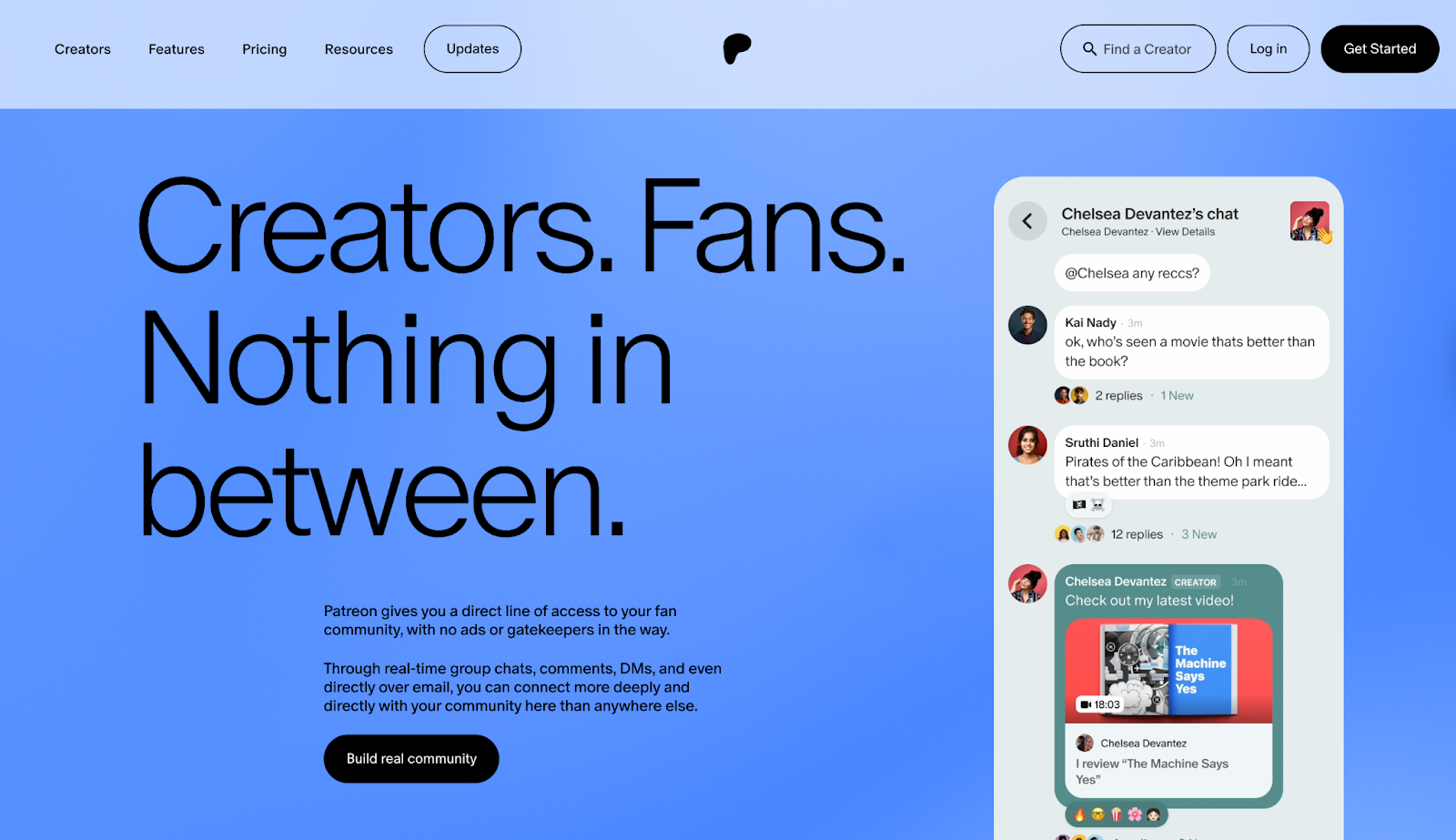
Patreon remains one of the most recognizable Ko-Fi alternatives, especially for creators seeking a predictable monthly income. Its tier-based system allows creators to offer different levels of access, rewards, or content depending on subscription price.
For creators with established audiences, Patreon can provide financial stability. However, success often depends on consistent engagement and clearly communicated value. Some creators find the platform competitive or saturated, but it remains a reliable option for those willing to invest in community-building. Among Ko-fi alternatives, Patreon is best suited for creators who are comfortable with structured memberships and long-term content commitments.
3. Buy Me a Coffee
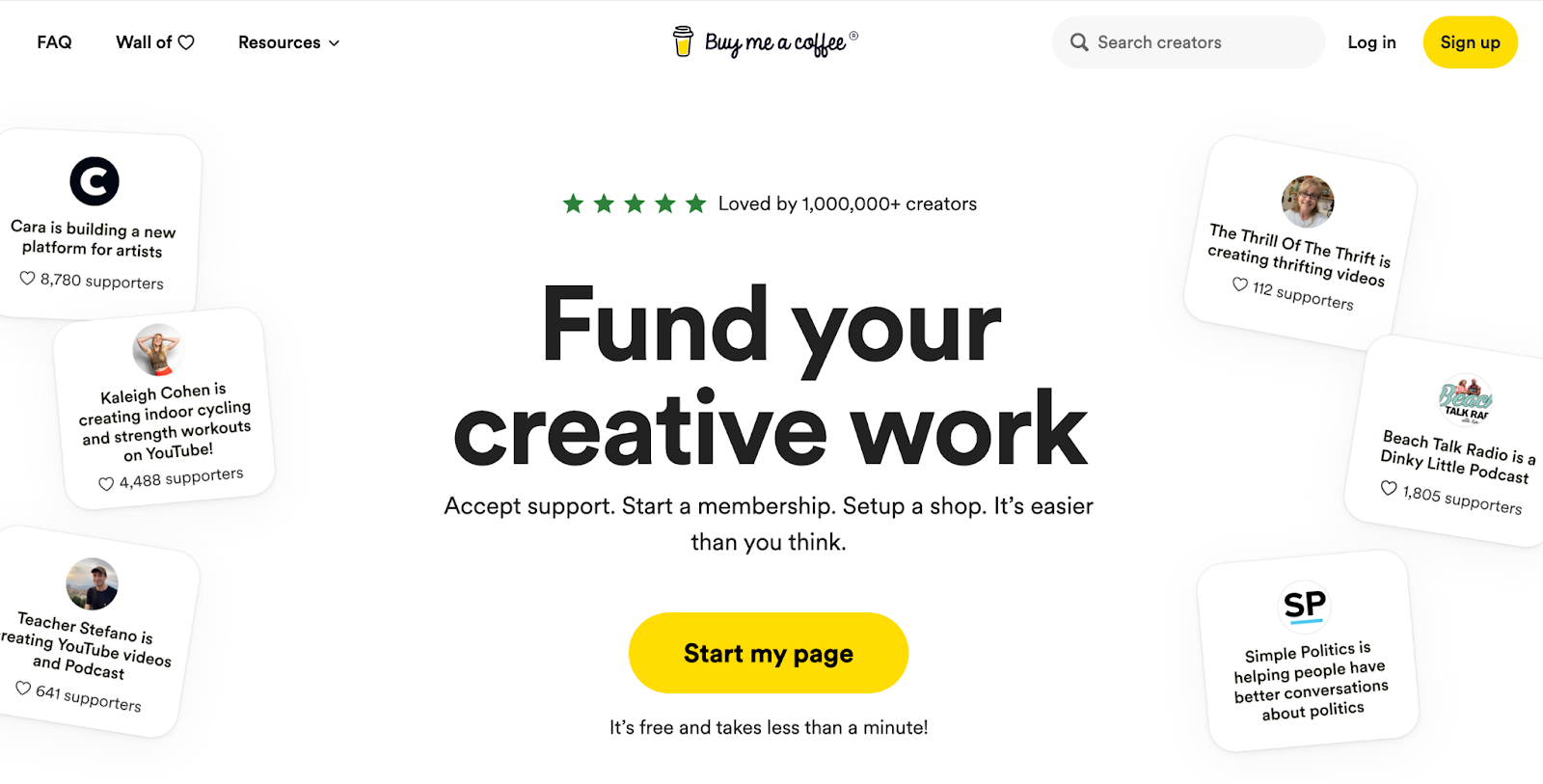
Buy Me a Coffee is one of the most direct Ko-Fi alternatives, maintaining a similar feel while offering slightly more monetization flexibility. Creators can accept one-time support, monthly memberships, and gated content without overwhelming their audience.
This platform appeals to creators who want to keep things simple while experimenting with recurring income. It’s especially popular with writers, podcasters, and educators who wish to monetize in a low-pressure way without fully committing to subscription-heavy platforms.
As far as Ko-Fi alternatives go, Buy Me a Coffee offers a gentle middle ground between tipping and memberships.
4. Gumroad
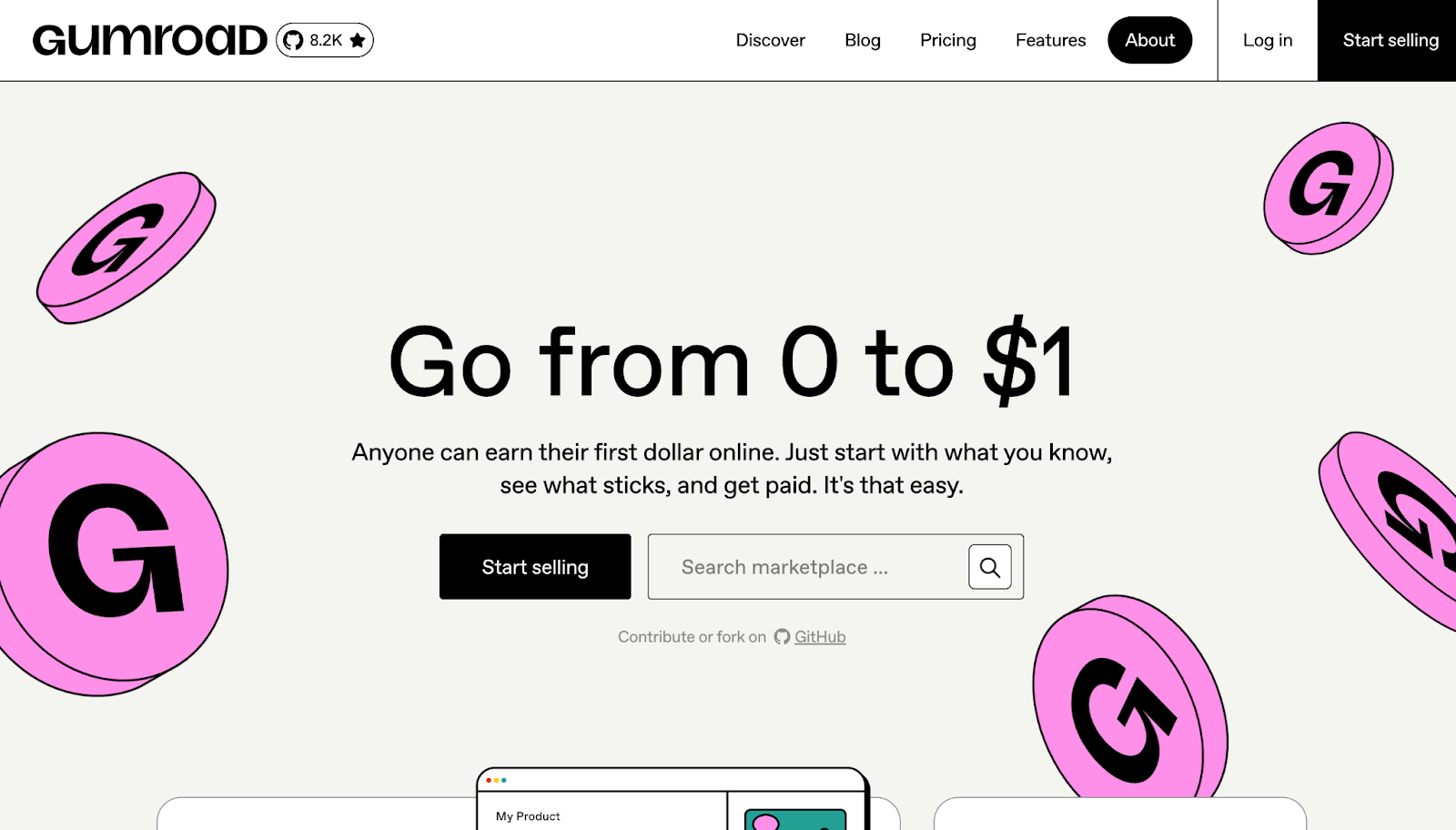
Gumroad is ideal for creators who prefer selling products over building subscriptions, making it one of the most versatile Ko-Fi alternatives. It supports digital downloads, memberships, and even physical goods, all without requiring a large audience.
Creators often use Gumroad to sell ebooks, zines, courses, art packs, or templates. It’s especially appealing to creators who want control over pricing and distribution without managing ongoing community engagement. For creators focused on one-time purchases rather than ongoing support, Gumroad stands out among Ko-Fi alternatives for its simplicity and flexibility.
5. Substack

Substack is a strong option among Ko-Fi alternatives for writers who want to monetize newsletters and long-form content. It allows creators to publish free and paid posts, offering readers a clear path to support writing they value.
The platform excels at distribution and email delivery, making it ideal for creators who prioritize reach and consistency. However, it offers fewer customization and engagement features compared to other Ko-Fi alternatives, which may limit creative flexibility. Substack works best for creators whose content thrives in written form and who enjoy a direct relationship with readers.
6. Fourthwall
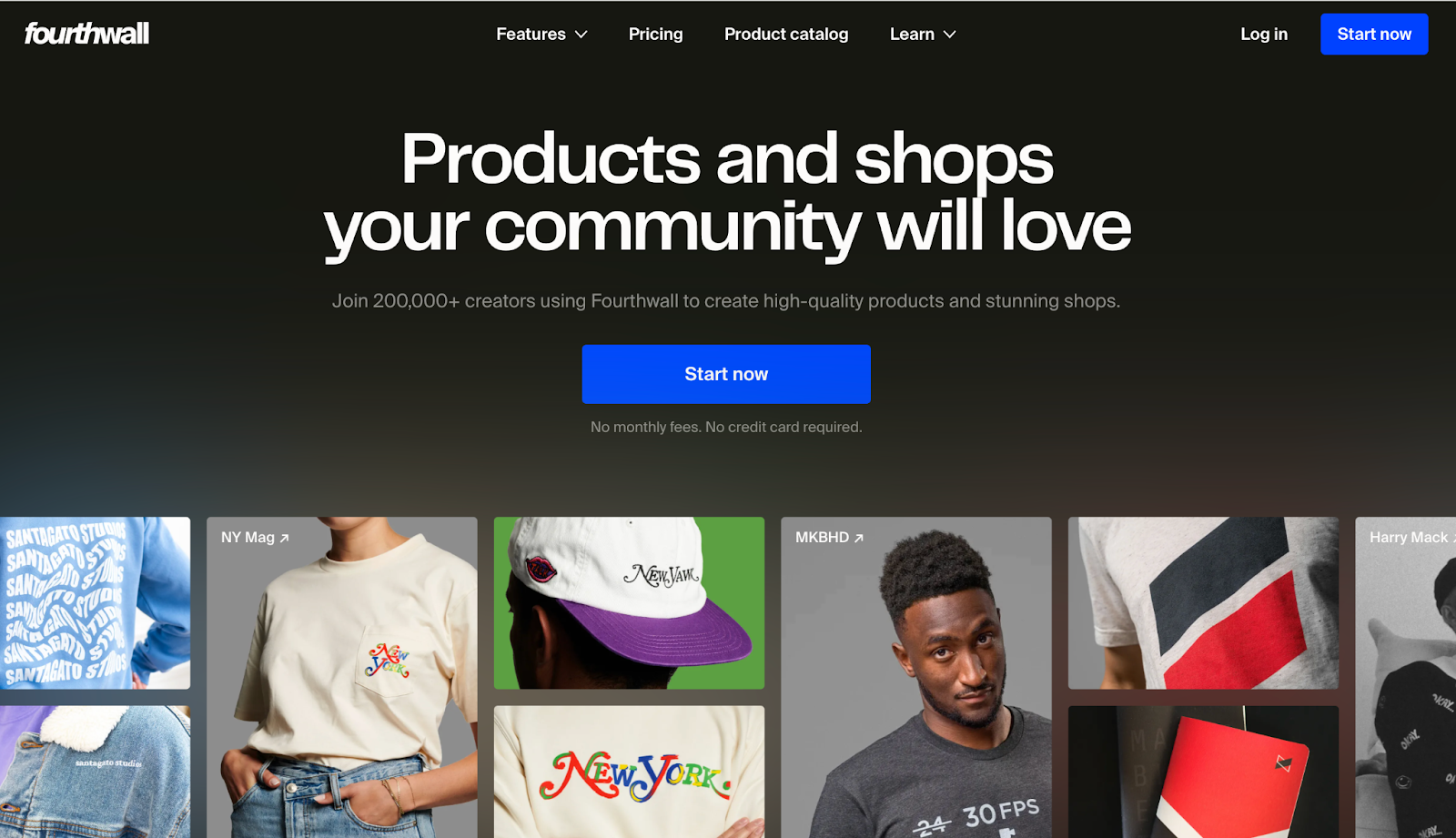
Fourthwall functions more like a storefront than a traditional support platform, setting it apart from many Ko-Fi alternatives. It allows creators to sell merch, digital products, and memberships under a fully customizable brand.
Creators with loyal audiences often appreciate Fourthwall’s ability to centralize monetization in one place. It’s particularly effective for creators with strong visual branding or merchandise-based revenue streams. Among Ko-fi alternatives, Fourthwall is best for creators looking to professionalize their brand and expand beyond tips.
7. OnlyFans (For Non-Adult Creators)
OnlyFans has evolved into a viable Ko-Fi alternative for many non-adult creators, despite common misconceptions. It offers subscriptions, pay-per-view content, and direct messaging, giving creators significant control over monetization.
Some creators use OnlyFans for exclusive lifestyle content, fitness coaching, writing, or behind-the-scenes access. While the platform’s reputation may not suit every brand, it can be financially rewarding for creators who leverage it thoughtfully.
Among Ko-fi alternatives, OnlyFans offers some of the highest monetization flexibility, but it does require careful audience alignment.
8. Liberapay
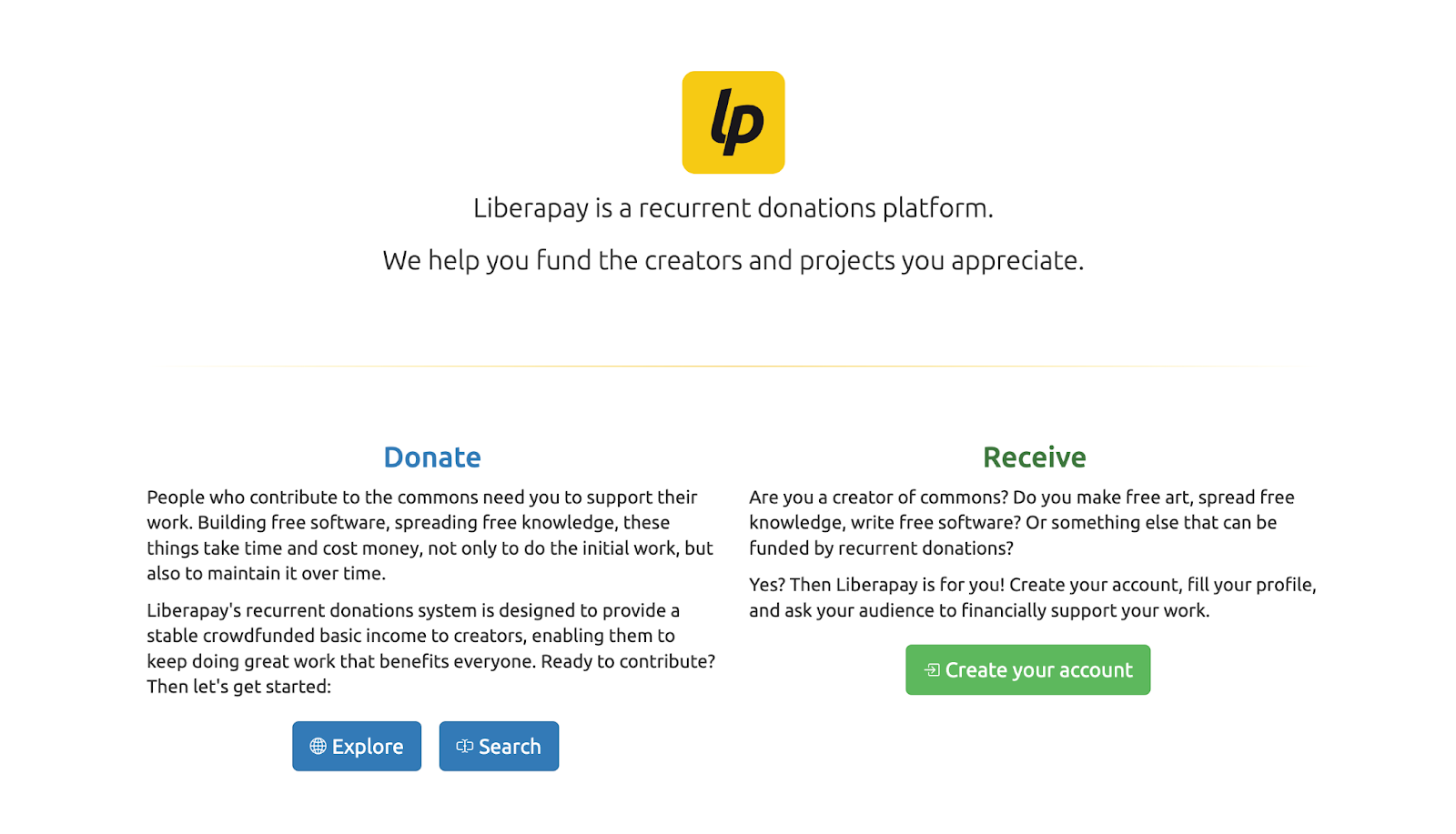
Liberapay is a minimalist platform focused on recurring donations rather than transactional tipping. As one of the more values-driven Ko-Fi alternatives, it appeals to creators who prioritize transparency and ethical funding models.
The platform lacks advanced engagement features, which can limit growth, but it works well for open-source developers, writers, and creators who value simplicity over scalability. Liberapay is a great Ko-Fi alternative for creators who want support without commercialization.
9. Podia
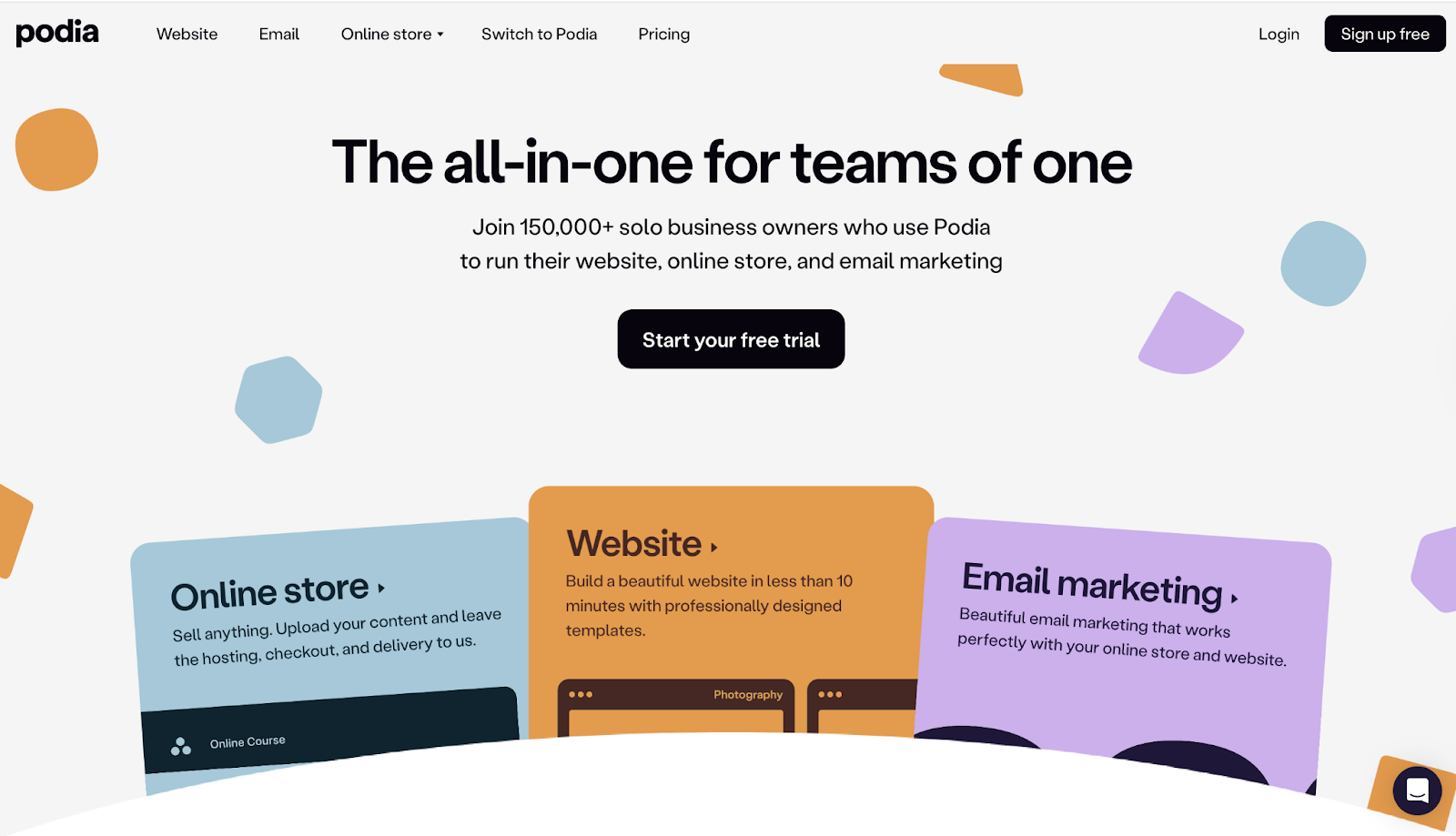
Podia is one of the most robust Ko-Fi alternatives for creators offering educational content. It supports courses, memberships, digital downloads, and email marketing, all within one platform.
Creators who offer structured learning experiences often appreciate Podia’s professional presentation and scalability. However, it may feel overwhelming for creators who prefer lightweight platforms or casual monetization. Podia works best for creators with clear educational goals and long-term content strategies.
10. Lemon Squeezy
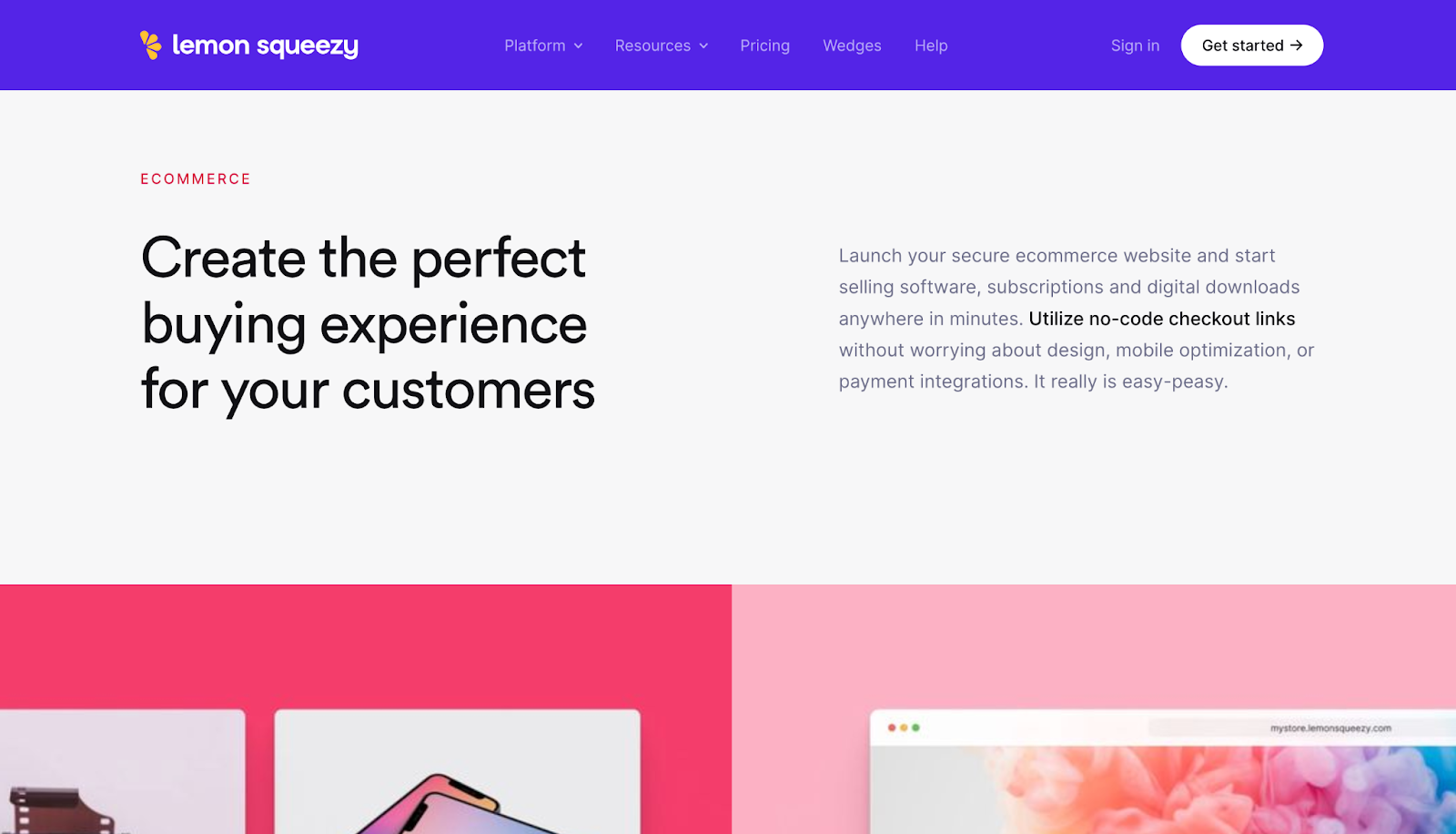
Lemon Squeezy is one of the more versatile Ko-Fi alternatives for creators who want to sell digital products while also offering subscriptions or memberships. The platform is designed for creators who prefer a polished storefront experience and want more control over how their content and products are delivered.
Unlike donation-first platforms, Lemon Squeezy focuses on structured monetization. Creators can sell ebooks, digital downloads, courses, or gated access subscriptions, making it ideal for those who want to combine one-time purchases with recurring income. For creators who see their work as both content and product, Lemon Squeezy stands out among Ko-Fi alternatives as a strong option for building a more sustainable, business-oriented monetization strategy.
Final Thoughts
Exploring Ko-Fi alternatives is often a sign that your creative work is evolving. As your audience grows and your goals become clearer, your monetization tools should support that growth rather than limit it.
There is no single best platform, only the one that best aligns with your creative energy, audience expectations, and long-term vision. The right Ko-Fi alternatives empower you to create confidently, earn sustainably, and build meaningful connections along the way.
FanSubs is #1 on this list!