How to Repackage Old Content into New Paid Exclusives
Repackaging old content from long-form to short-form content isn't new, but what about repackaging it into paid exclusives? Learn the best practices of how to do so here!
Creating consistently can be exhausting, especially when you feel pressure always to produce something brand new. That’s why learning how to repackage old content into new paid exclusives is one of the most valuable skills a creator can develop. Your past work holds far more value than you might realize; it just simply needs to be reframed, refreshed, and positioned correctly.
Many creators underestimate their archives. Blog posts, social captions, videos, drafts, notes, and even unfinished ideas all count as old content. When repackaged thoughtfully, that material can become premium offerings that feel intentional rather than recycled. The key is understanding how to shift context, format, and exclusivity without diluting value.
Why Old Content Is a Monetization Goldmine

Your audience is not consuming everything you create. Even your most loyal supporters likely missed posts, skimmed ideas, or discovered you long after certain pieces were published. This is why old content isn’t outdated but simply underutilized.
When creators learn how to repackage old content, they stop treating their work as disposable. Instead, they see it as a growing library that can be reorganized and reintroduced in ways that feel fresh. Paid exclusives thrive on depth, insight, and intention, not novelty alone.
Repackaging also protects your energy. Instead of starting from scratch every time, you’re refining, expanding, and elevating ideas you’ve already invested in. Sustainability is what allows creators to stay consistent without burning out.
Shifting Old Content from Public to Premium
A
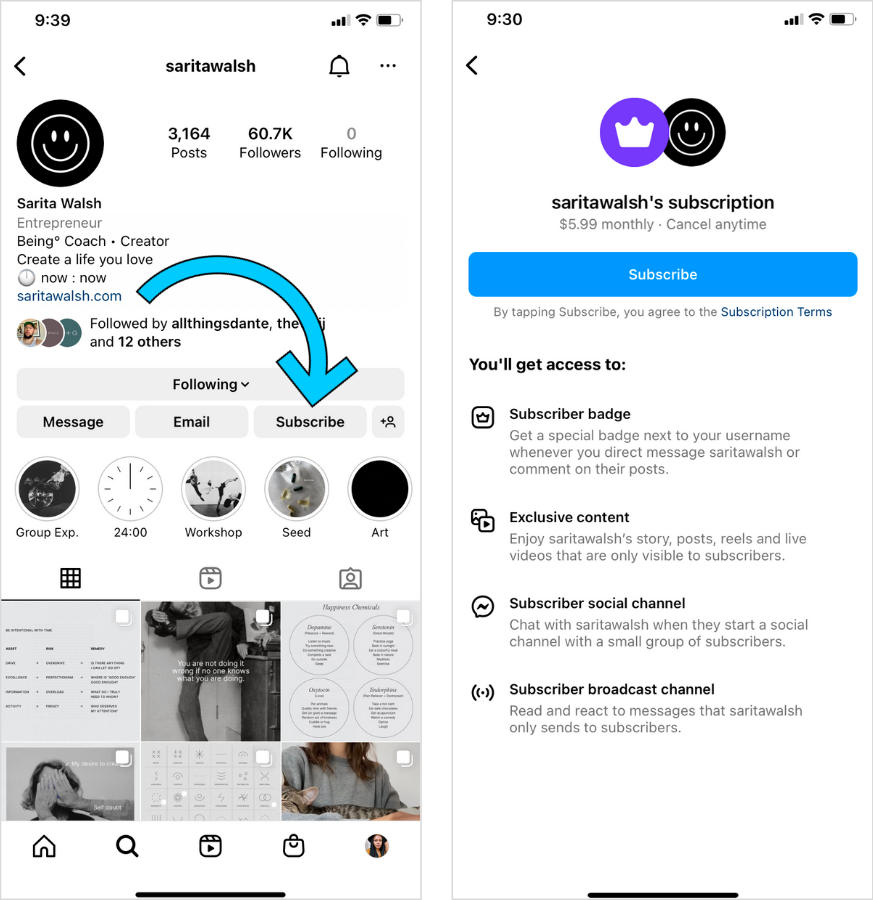
One of the most effective ways to create paid exclusives is by reframing publicly shared old content into something more personal or in-depth. Public posts often focus on broad ideas, while exclusive content can explore the “why,” the behind-the-scenes process, or the lessons learned after the fact.
For example, a viral thread or blog post can become a paid deep dive that includes context you originally left out. A popular video can be accompanied by an exclusive commentary explaining your creative decisions. The value isn’t in repeating the content but in expanding it.
This shift is essential to successfully repackaging old content into new paid exclusives. Paid audiences want access, clarity, and connection. By adding reflection, commentary, or updates, your old content becomes something entirely new.
Transforming Format to Create Something Fresh

Changing the format of old content is one of the simplest ways to make it feel new again. A written piece can become an audio essay. A series of short posts can be turned into a longer, structured guide. A livestream can be edited into exclusive clips or summaries.
Format changes help content reach different learning styles while also increasing perceived value. A supporter who read a post months ago may still pay for a polished, expanded version in a new medium. This approach reinforces repackaging old content into new paid exclusives without requiring constant ideation. The more formats you experiment with, the more mileage you get out of your creative history. This makes your work feel cohesive instead of fragmented.
Curating Old Content into Themed Collections
Another powerful strategy is curation. Instead of offering single pieces, creators can bundle old content into themed collections or mini-series. When content is grouped intentionally, it feels purposeful rather than reused.
This could look like compiling related posts into a paid archive, turning recurring themes into a structured series, or organizing past work around a specific outcome or skill. Collections give supporters an apparent reason to pay because they offer clarity and progression. This method works exceptionally well for creators learning to repurpose old content because it shifts the focus from individual posts to long-term value. The story becomes about access to a body of work, not just one piece.
Adding Context, Updates, and Personal Insight
Time changes perspective. One of the easiest ways to elevate old content is by revisiting it with new insight. What would you say differently now? What did you learn since publishing it? What mistakes did you make along the way?
Exclusive audiences love reflection. Adding updates or personal commentary turns static content into something dynamic and honest. This is where creators can deepen connection while still relying on existing material. Understanding how to repackage old content means recognizing that growth itself is content. Your evolution adds value that didn’t exist the first time around, so take advantage of it!
Practical Ways to Repackage Old Content Effectively

Here are a few practical approaches creators use when turning old content into paid exclusives:
- Expanding short public posts into long-form, exclusive essays or guides
- Adding behind-the-scenes notes, drafts, or annotations to existing work
- Bundling related content into downloadable collections or archives
- Revisiting older ideas with updated perspectives or lessons learned
These approaches work because they add depth, intention, and exclusivity, which are the core ingredients of paid content.
Positioning Repackaged Content as Valuable, Not Recycled
One common fear creators have is that repurposing old content will feel lazy or deceptive. The truth is, value comes from framing. When you clearly communicate what supporters are getting, such as insight, structure, access, or reflection, repackaged content feels thoughtful, not reused.
Transparency builds trust. Let your audience know that you’re revisiting and expanding past work. Creators who confidently stand behind their work create stronger, more sustainable platforms. Your content doesn’t lose value just because time has passed.
Making Repackaging Part of Your Long-Term Strategy
The most successful creators don’t treat repackaging as a one-time fix. They build it into their workflow. Every piece of content can become an exclusive, an update, or a collection.
When you consistently consider how older content might evolve, your creative process becomes more intentional. This mindset shift is central to mastering repackaging old content. Instead of chasing endless ideas, you’re building a living archive that grows alongside you and continues generating value long after publication.
Final Thoughts
Learning how to repackage old content into new paid exclusives isn’t about doing less work; it’s about doing more innovative work. Your ideas deserve longevity, and our effort deserves sustainability. And your audience deserves access to your best thinking, even if it started months or years ago.
When creators stop viewing old content as finished and start seeing it as foundational, everything changes. Repackaging becomes an act of care for your work, your audience, and your creative future.
Ready to repackage your content?